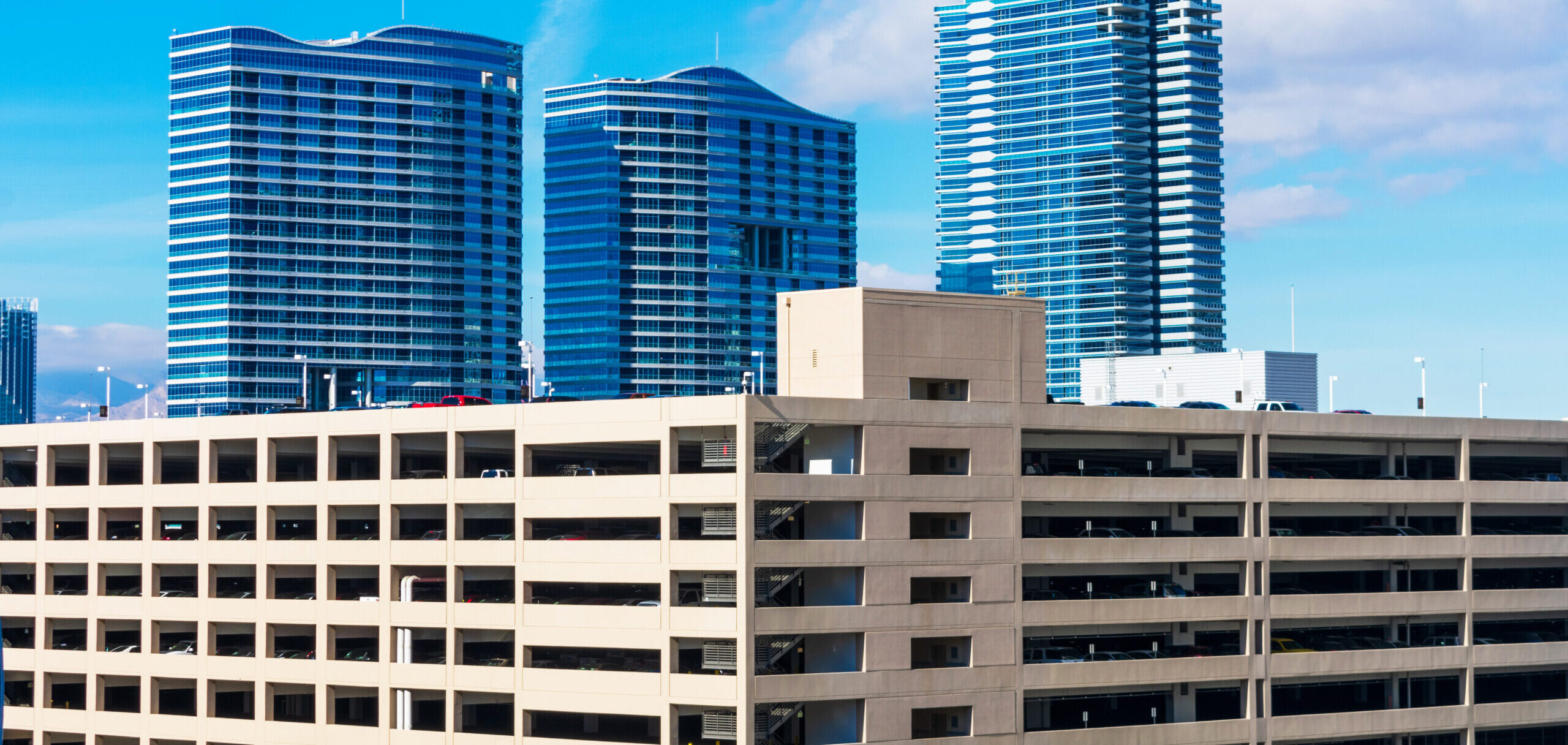
Most serious parking garage problems do not start with a dramatic structural failure — they begin with small warning signs that are easy to overlook. A crack that slowly widens, rust staining on the underside of a slab, or water beginning to leak through a joint can all signal early deterioration.
Left unaddressed, those early warning signs can quietly develop into costly repairs. That is why proactive parking garage maintenance and routine observation are critical.
While structural evaluations are typically performed by engineers, property managers and building engineers are often the first to notice these warning signs during routine walkthroughs. Knowing what to look for can help identify problems early and prevent minor deterioration from becoming major restoration work.
Parking garage maintenance focuses on identifying early deterioration, controlling moisture intrusion, and protecting structural components before damage spreads. Teams that specialize in parking garage restoration often identify these same conditions during structural assessments — long before significant repairs are required.
The 60-Second Parking Garage Maintenance Check
During routine walkthroughs, four common conditions can reveal early structural issues. Consistent observation is one of the most effective maintenance tools for identifying developing problems before they escalate.
During a quick walkthrough, focus on the following four indicators:
-
Cracks and Rust Stains
New cracks or cracks that appear to be widening may indicate structural movement or moisture intrusion. Rust staining on the concrete surface can signal that reinforcing steel inside the slab may be corroding.
-
Failed or Deteriorating Joints
Parking garages expand and contract every day due to temperature changes and traffic loads. When sealants deteriorate or joint materials separate, water can quickly enter the structure.
-
Standing Water and Drainage Problems
Standing water, clogged drains, or damp areas beneath slabs often indicate drainage issues or leaks. Moisture is one of the leading drivers of deterioration in parking structures.
-
Spalling Concrete
When pieces of concrete break loose from the surface — known as spalling — corrosion inside the slab is often already underway. As reinforcing steel rusts and expands, it pushes surrounding concrete outward until it cracks and separates.
If you notice changes in any of these areas, document them and take a closer look.
Why Parking Garage Joints Often Show Problems First
In many parking garages, joints and connections are where deterioration first becomes visible.
Garages expand and contract daily due to temperature fluctuations, and vehicle traffic introduces vibration and dynamic loading. Joints are designed to absorb this movement, which means they also experience significant wear over time.
Look for missing or deteriorated sealant, joint materials pulling apart, broken concrete along joint edges, or metal joint components bent or damaged by traffic.
When joints fail, water can quickly enter the structure and deterioration can accelerate — leading to corrosion of embedded steel and damage to the surrounding concrete.
Follow the Water: How Moisture Damages Parking Structures
Water is the number one driver of deterioration in parking structures.
Standing water on deck surfaces, clogged drains, and damp staining on the underside of slabs are often early signs that moisture is working its way into the structure. White powdery deposits, often called efflorescence, are another common sign that moisture is moving through the slab.
Over time, moisture can allow corrosion to develop in reinforcing steel embedded within the concrete. As steel corrodes, it expands, creating internal pressure that cracks the surrounding concrete and eventually leads to spalling.
Routine parking garage maintenance should always include regular drainage checks. Keeping drains clear and addressing leaks early can significantly slow deterioration and extend the service life of the structure.
Protective traffic coatings can also play an important role. When properly installed and maintained, these coatings act as a barrier that helps limit moisture intrusion and protect the concrete surface.
Document What You See
One of the most valuable habits property managers and building engineers can develop is consistent documentation.
During routine walkthroughs, photograph any unusual conditions and note their location and date. Comparing images over time helps determine whether cracks are growing, corrosion is spreading, or moisture issues are worsening.
This information also helps engineers evaluate conditions more quickly and determine whether an issue is cosmetic or requires further structural investigation.
Many major restoration projects begin with small warning signs that were observed early but not tracked over time.
A Proactive Approach to Parking Garage Maintenance
Parking garages operate in demanding environments. They experience constant traffic loads, exposure to moisture, temperature changes, and contaminants such as road salts.
Facilities that avoid major structural emergencies tend to follow the same habits: they inspect their structures regularly, pay close attention to joints and drainage, document changes over time, and address small issues before they become larger problems.
The Valcourt Group delivers comprehensive parking garage restoration and repair services through Restocon, our national parking garage restoration brand, in collaboration with our trusted local operating companies. Our teams evaluate parking structures every day, helping property teams understand what they are seeing and develop practical maintenance and repair strategies that extend the life of their assets.
If something in your garage raises a question — even if it seems minor — it is worth taking a closer look. Early action is often the most effective way to protect your parking structure and avoid more costly repairs in the future.
Proactive parking garage maintenance isn’t just about fixing what’s visible. It’s about protecting the structure and preserving the long-term value of the asset.