A commercial roof is one of the most significant assets a building owner or property manager is responsible for—and one of the easiest to overlook. Unlike a broken HVAC system or plumbing issue, a roof can deteriorate quietly for years before the consequences become visible inside the building.
Regular inspections and proactive maintenance can help prevent small issues such as leaks from becoming costly repairs or premature replacement. But when budgets are competing with priorities like HVAC, lighting, and plumbing, it’s fair to ask: Is an ongoing roof maintenance program worth the investment?
For most commercial properties, the answer is yes. A proactive maintenance program can help building owners protect their roof asset, control repair costs, maintain manufacturer warranty requirements, and make more informed capital planning decisions.
How Commercial Roof Lifespan and Performance Have Changed
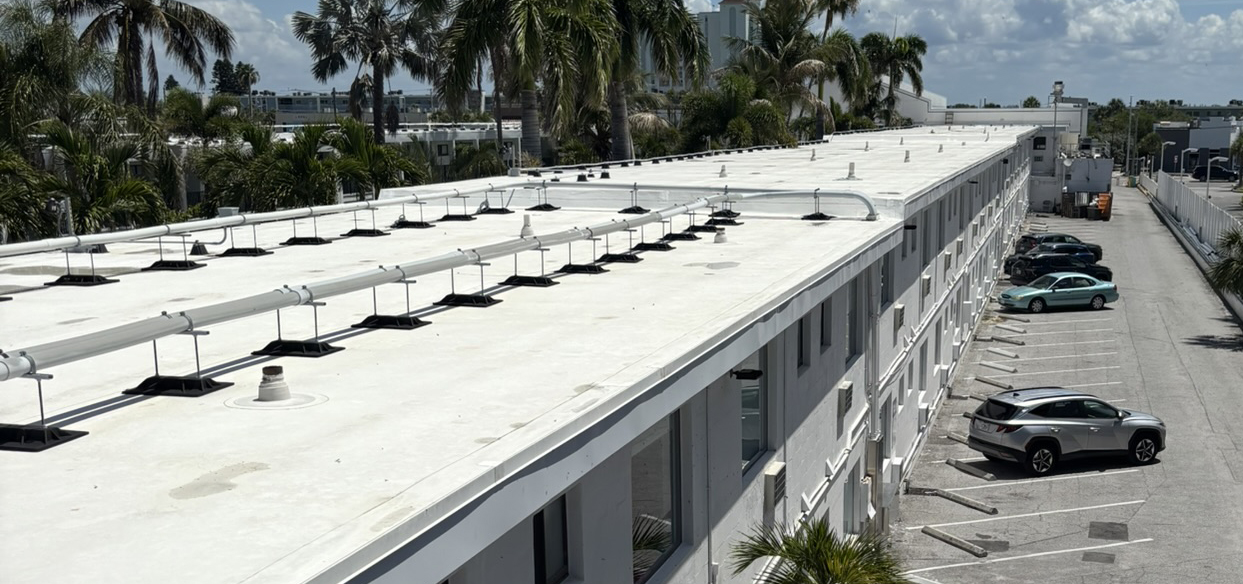
Commercial roofing systems have evolved significantly over time, along with the factors that influence their service life and performance. Older systems were often designed with multiple layers that could provide decades of service when properly installed and maintained. Today, single-ply systems such as TPO, PVC, and EPDM are widely used and can also offer long service lives, but their performance depends heavily on quality installation and ongoing maintenance. Without proper care, these systems can deteriorate more quickly and may fail more abruptly when critical components are compromised.
Furthermore, today’s buyers may have a false sense of security when purchasing a commercial roof system because manufacturer warranties often extend for decades. But a long warranty does not mean a roof will perform trouble-free for that entire period. The warranty terms in the fine print typically include inspection, maintenance, and documentation requirements that building owners must follow to keep warranty coverage in force. Without meeting these requirements, owners may find that the protection they have is more limited than expected.
Where Do Most Roof Issues Occur?
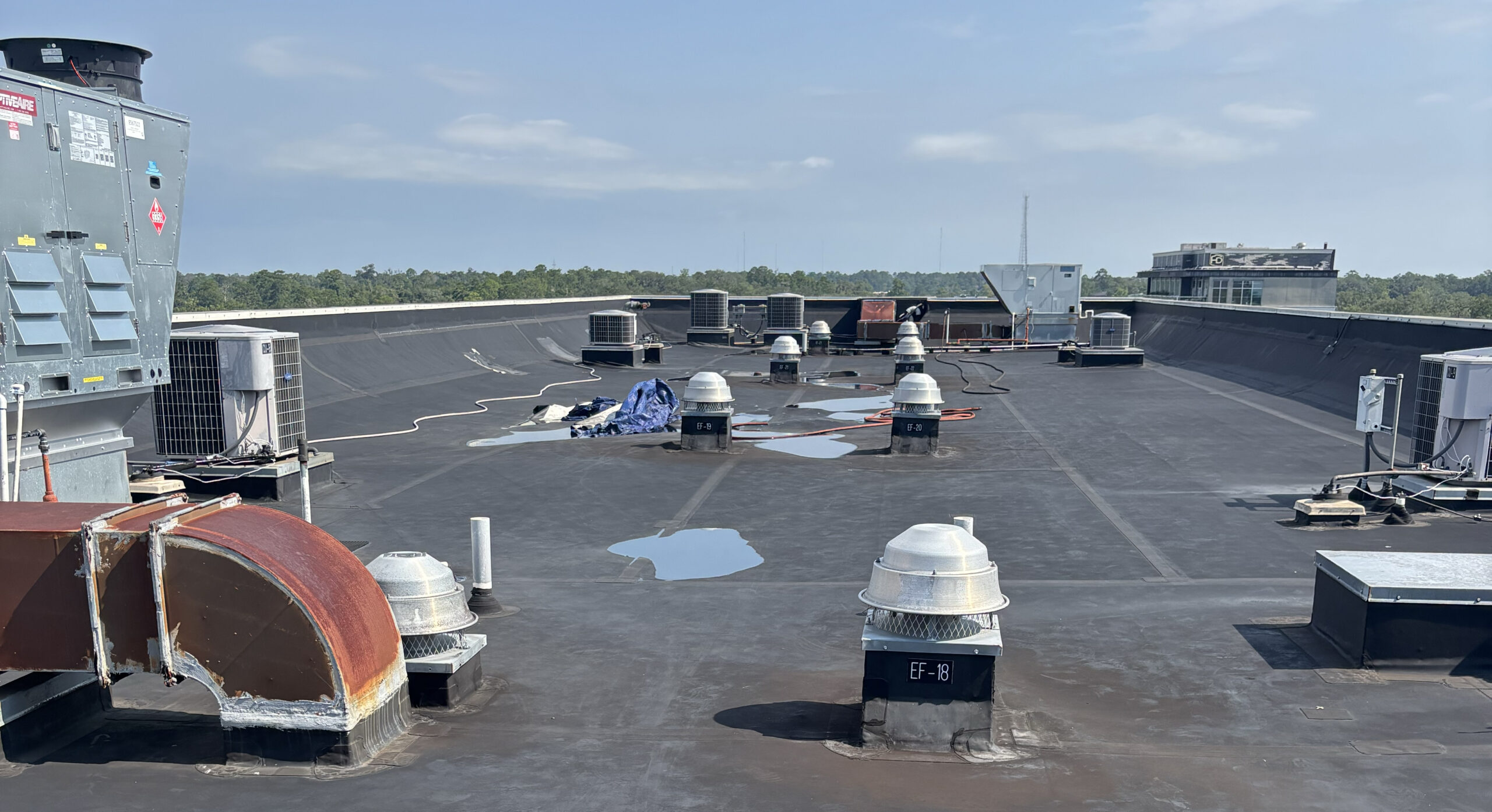
Most commercial roof problems originate in a relatively small portion of the overall roof area—typically around penetrations, perimeters, drains, seams, flashing details, and expansion joints. These areas are particularly vulnerable because they involve transitions, connections, and other details where water can find a path into the building. Identifying deterioration in these locations early can allow building owners to address problems while repairs are still relatively minor and concentrated.
That is the fundamental value of proactive maintenance: fixing manageable problems before they become major ones.
A small repair today can be significantly less disruptive and less expensive than responding to a major leak, replacing damaged insulation, repairing interior finishes, or replacing an entire roof system prematurely.
Routine Inspections and Maintenance Sustain Asset Life
A commercial roof maintenance program is a proactive approach to identifying and addressing developing problems before they become costly emergencies. Rather than waiting for a leak or visible failure, scheduled inspections evaluate the condition of the roof and its critical components, allowing repairs to be prioritized based on risk and need.
The primary objective is to preserve the roof’s condition and address developing issues before they lead to more significant damage or costly repairs.
A comprehensive program typically includes four key components:
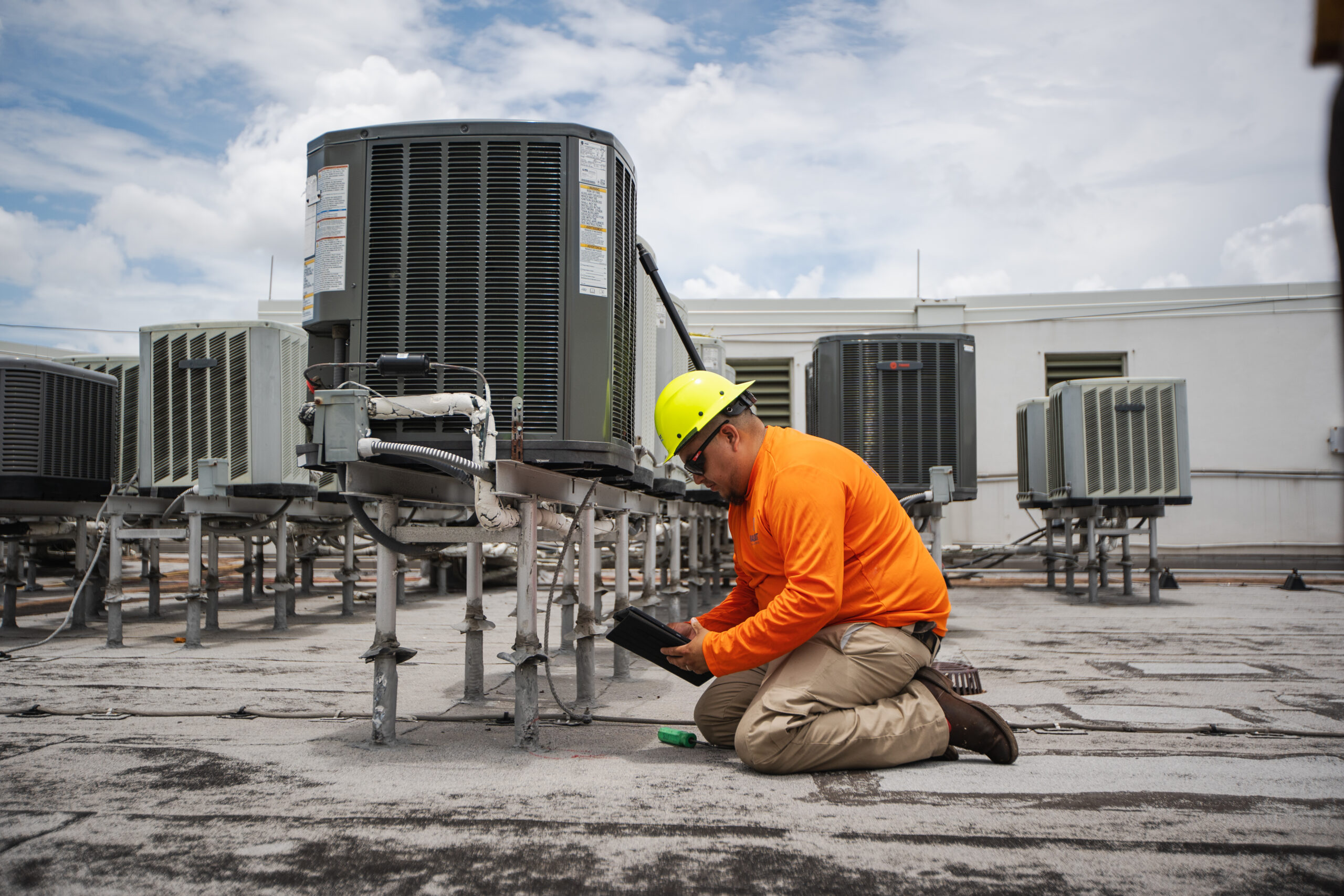
- Thorough inspections: Evaluating the roof membrane, seams, flashings, penetrations, drains, perimeter details, rooftop equipment areas, and other vulnerable components.
- Debris removal and cleanup: Clearing organic debris and other materials that can contribute to drainage problems or premature deterioration.
- Minor repairs and touch-ups: Addressing developing deficiencies before they progress into larger problems.
- Detailed documentation: Providing photos, observations, recommendations, and prioritized repair needs that can be used for ongoing asset management.
The inspection report is particularly valuable because it transforms a roof inspection into an asset management tool. Instead of simply knowing that a roof was inspected, building owners and property managers gain a clearer understanding of what needs attention now, what can wait, and what should be incorporated into future capital planning.
The appropriate inspection cadence depends on the building, roof system, age, condition, and operating environment. Programs may include annual, semi-annual, or quarterly inspections.
What Is the Value of Commercial Roof Maintenance?
The return on a commercial roof maintenance program isn’t limited to the cost of repairs avoided. Proactive maintenance provides building owners with greater visibility into the condition of a major asset and more control over when and how money is spent.
Key benefits include:
- Extends Roof Life: Proactive maintenance can help maximize the service life of an existing roof system by addressing deterioration before it accelerates.
- Protects Warranty Compliance: Thorough inspection and maintenance documentation can help satisfy manufacturer requirements and preserve warranty coverage.
- Reduces Repair Costs: Identifying and correcting minor deficiencies early can help prevent more extensive—and expensive—repairs.
- Minimizes Disruptions: Planned maintenance reduces reliance on emergency repairs that can interrupt building operations and affect tenants.
- Improves Budget Predictability: Detailed inspection reports help owners prioritize repairs, anticipate future needs, and plan capital expenditures.
- Creates a Documented Asset History: Consistent records provide a clearer picture of how the roof is performing over time and support better long-term decision-making.
A Small Investment in Maintenance Can Protect a Major Asset
A commercial roof doesn’t have to be replaced prematurely. With a documented, proactive maintenance program, building owners and property managers can catch problems earlier, control repair costs, protect warranty coverage, and extend the service life of the existing roof system. Just as importantly, a commercial roof maintenance program provides the visibility needed to plan future expenditures rather than react to unexpected failures.
Partnering with the experts at the Valcourt Group can help you identify developing issues, avoid costly surprises, and get more value from your existing roof asset.
Contact us today to learn more about our commercial roof maintenance programs and find the approach that best aligns with your building goals and budget.