The biggest roofing expense is probably not a line item on your spreadsheet. For commercial property owners and managers, the real threat is often the one that hasn’t happened yet: roof failure caused by deferred maintenance.
Many roof issues begin as minor defects that are easy to miss during day-to-day operations. Whether it’s a small puncture, deteriorating sealant, or failing flashing, minor roof issues can quickly escalate. Left unchecked, those small issues can become repairs that cost three to ten times more than addressing them proactively. This leads to emergency repairs, premature replacement, water damage claims, business interruptions, and dissatisfied tenants.
Hidden Dangers on Your Commercial Roofs
Commercial roofs—especially low-slope systems common on office buildings, retail centers, and industrial facilities—hide problems remarkably well. What looks like a minor issue from a quick visual check can be the start of a major failure.
Common hidden or easily overlooked defects include:
- Compromised flashing and edge metal
- Particularly vulnerable on East and Gulf Coast properties exposed to high winds
- Seam weaknesses and membrane blisters
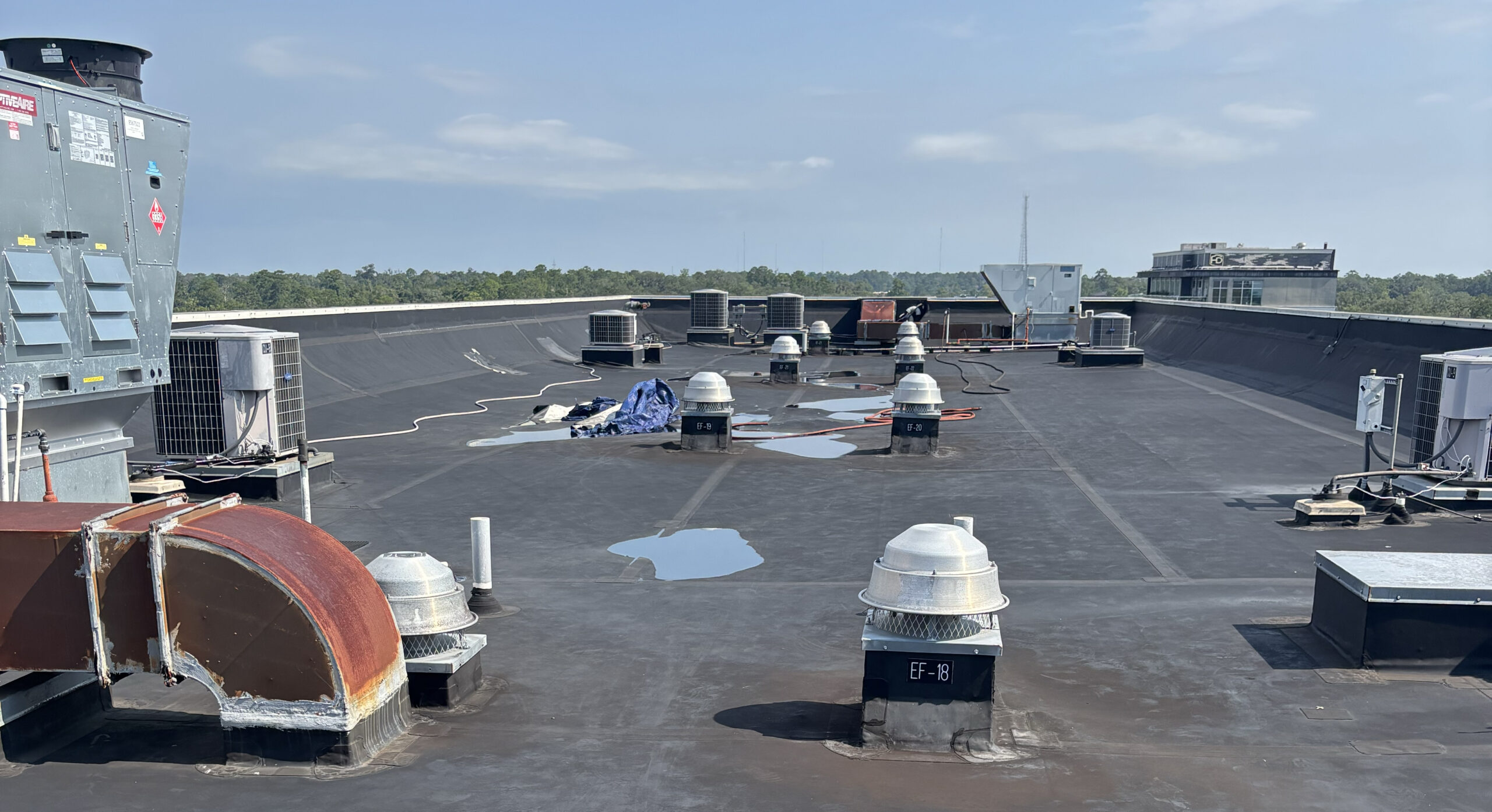
- Ponding water areas that accelerate deterioration
- Fastener corrosion and insulation degradation
- Penetrations around HVAC units, vents, and skylights that lose sealant integrity over time
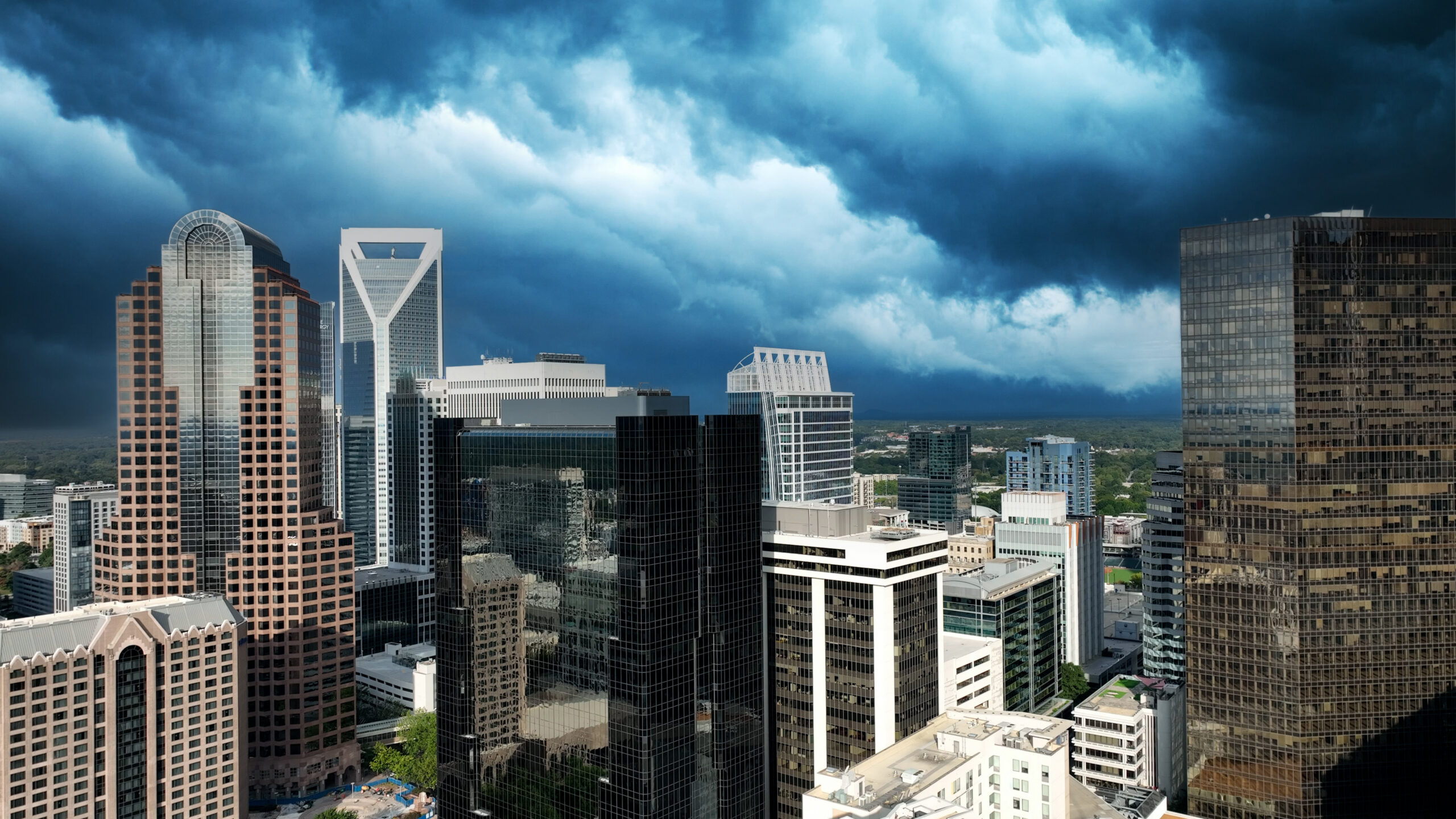
Storms amplify these vulnerabilities. A passing hurricane or tropical storm can turn a small, unsecured flashing gap into widespread membrane uplift or interior water intrusion. Without regular professional attention, these issues worsen silently.
The Value of Professional Roof Inspections
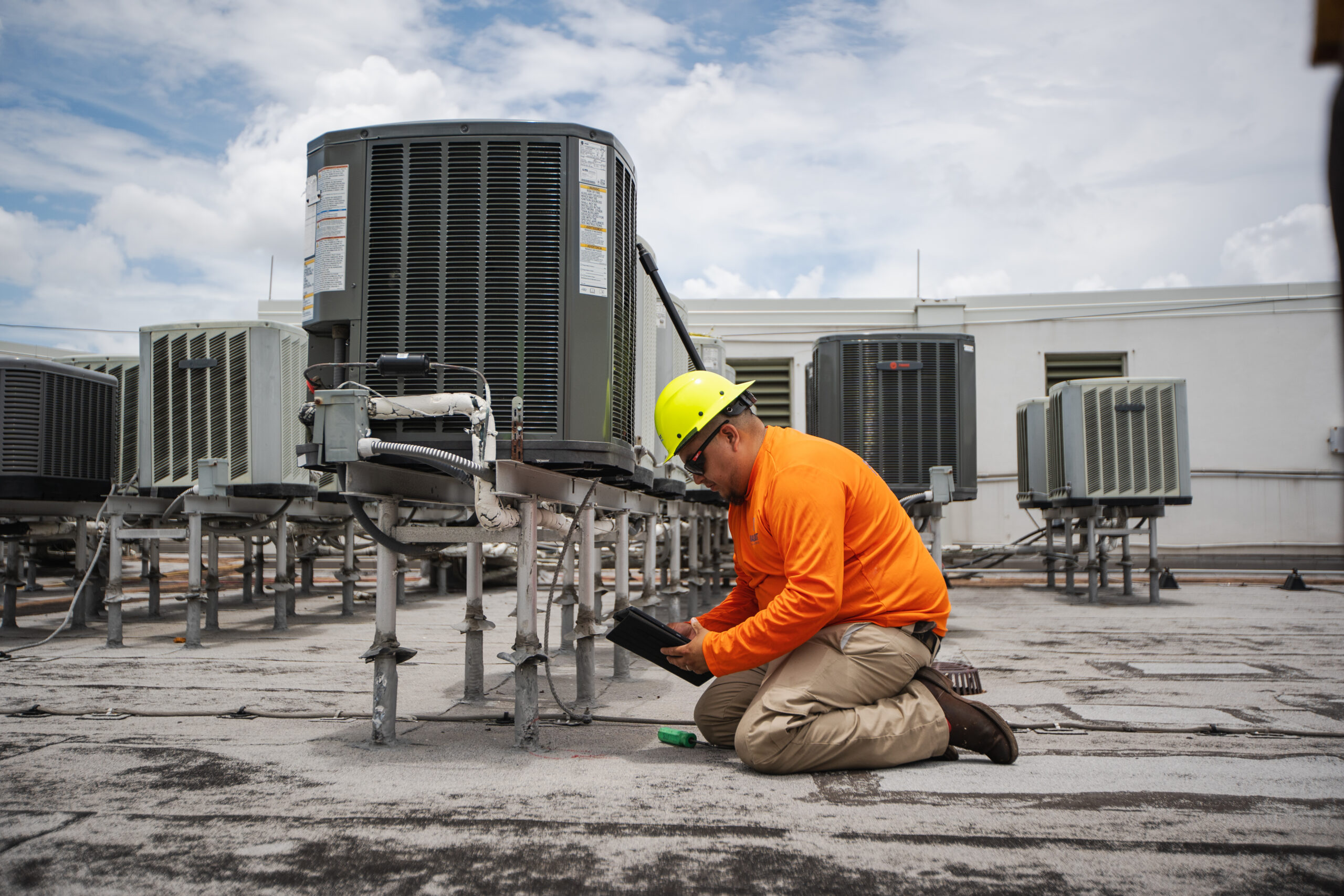
Routine professional roof inspections play a critical role in catching these problems early. A qualified inspector doesn’t just look at the surface — they evaluate the entire system, including areas that are difficult to access or visually deceptive. For example, they can identify:
- Early signs of membrane detachment or fatigue that may not yet show leaks indoors
- Deteriorating insulation hidden beneath the roof covering, which reduces energy efficiency and invites moisture intrusion
- Loose or corroded fasteners that compromise wind resistance, especially important for coastal properties
- Subtle flashing failures or seam weaknesses that allow water to infiltrate during the next storm
- Ponding water risks that accelerate aging in low areas of the roof
By uncovering issues before they escalate, regular inspections enable property managers to make informed, cost-effective decisions rather than reacting to emergencies.
The Cost of Waiting
Deferred maintenance follows a predictable and painful pattern. A timely $5,000 targeted repair can prevent a $50,000–$75,000+ emergency project when failure of that component finally occurs. What accounts for the vast cost difference?
In addition to the repair itself, costs can quickly add up, including equipment mobilization, interior water damage remediation, mold prevention, tenant space restoration, and lost rental income or revenue during downtime.
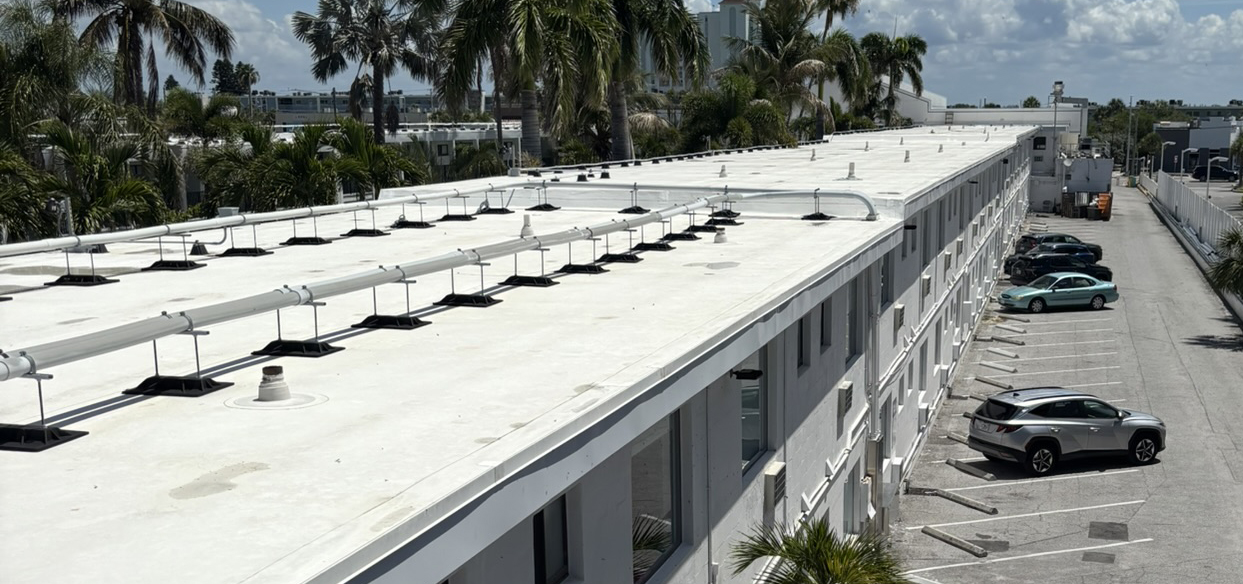
In coastal regions, where wind uplift and driving rain are constant threats, the financial impact hits even harder. One overlooked perimeter issue can cascade across the entire roof system during a major weather event, potentially requiring a full roof replacement.
Roof failures affect more than repair budgets. Water intrusion can disrupt operations, damage tenant spaces, reduce property value, and increase liability—making proactive maintenance both a financial and operational priority.
Take a Proactive Approach to Roof Maintenance
The good news is that you can protect your budget and your properties by shifting from reactive to proactive roof management.
Start with professional roof inspections across your portfolio. Identify high-risk components early so you can prioritize repairs based on actual condition rather than assumptions. Then, consider implementing a roof maintenance program.
A commercial roof maintenance program typically includes scheduled inspections, minor repairs, drain and debris removal, sealant touch-ups, and documentation of roof conditions over time. By addressing small issues before they worsen, building owners can extend roof life and make more informed budgeting decisions.
A few simple practices can help reduce risk and keep your roof performing at its best:
- Schedule at least two roof assessments per year, plus post-storm evaluations
- Prioritize repairs based on roof condition and risk.
- Focus first on high-occupancy or storm-vulnerable properties within your portfolio.
- Implement a structured roof maintenance program to extend roof life and reduce unexpected costs.
The Biggest Expense is the One You Can Prevent
Your budget doesn’t have to be derailed by preventable roof failure. Partnering with the experts at the Valcourt Group can help you address small roof defects before they become major problems. Our professional roof inspections combined with structured maintenance programs help you catch issues early, avoid costly surprises, and achieve more predictable, controlled spending across your portfolio.
Contact us today to schedule a roof assessment and learn more about our commercial roof maintenance programs.