Your tenant called to report a leak coming from the ceiling. A roofing contractor inspected the roof, confirmed water infiltration, and recommended replacing the roof.
But does your commercial roof really need to be replaced? Not necessarily. A roof leak can be a sign of a larger problem, but it can also originate from a relatively small, isolated area that can be repaired and maintained without replacing the entire roof.
Before committing significant capital to a roof replacement, building owners and facility managers should understand exactly what is causing the leak or other roof issues—and whether a targeted repair could resolve the problem.
Determine the Source of the Issue
Water infiltration is one of the most common reasons a commercial roof gets flagged for replacement. But the location of the leak inside the building does not necessarily identify the source of the problem.
Water can travel along or through a roof assembly before it becomes visible at the ceiling. A leak appearing in one area of a building may actually originate several feet—or even farther—from where the water eventually enters the occupied space.
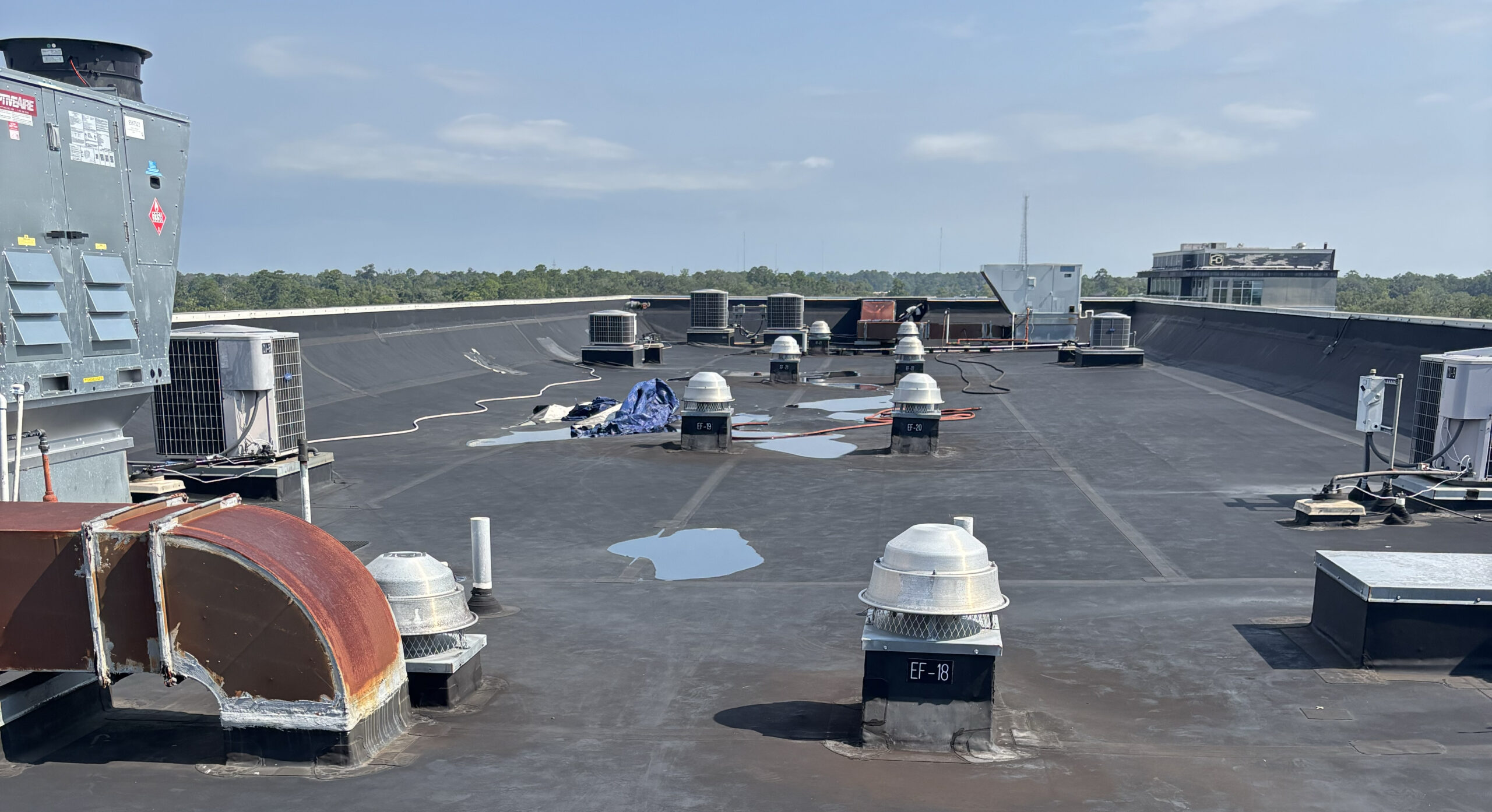
Many roof problems are also concentrated around specific elements rather than spread uniformly across the entire roof. Common trouble spots include:
- Roof penetrations
- Perimeters and transitions
- Drains and drainage components
- Seams
- Flashing
- Expansion joints
- Rooftop equipment
- Areas where different roofing materials meet
If an inspection identifies a localized failure and the surrounding roof system remains in good condition, a full roof replacement may not be necessary. A targeted repair that addresses the source of the problem, followed by routine inspection and maintenance, may provide a more cost-effective way to extend the life of the existing asset.
For large commercial properties, repairing a localized problem rather than replacing an entire roof can help defer significant capital expenditures.
Recognize Roof Issues That May Be Repaired
The viability of a commercial roof repair depends on several factors, including the severity, extent, and location of the damage; the condition of the surrounding roof system; the age and remaining service life of the roof; and the type of roofing assembly.
Localized issues that may be candidates for repair include:
Damaged or Deteriorated Flashing
Flashing helps direct water away from vulnerable areas such as walls, curbs, penetrations, and transitions. If the surrounding roofing system remains in good condition, damaged or deteriorated flashing may be repaired or replaced without disturbing the rest of the roof.
Failed Seams
Failed or compromised seams, particularly on membrane roofing systems, can allow water to penetrate the roof assembly. When the issue is localized, the affected seam may be repaired without replacing the entire membrane.
Penetration and Curb Problems
Deteriorated sealants, flashing, or membranes around rooftop equipment, pipes, vents, and other penetrations can create pathways for water intrusion. Because these problems are often confined to individual penetrations or curbs, they may be addressed with targeted repairs.
Drainage Issues
Standing water and poor drainage can contribute to premature roof deterioration. If the problem is related to a damaged drain, blocked drainage component, or another localized condition, it may be corrected without replacing the roof.
Persistent ponding water should always be investigated. If drainage problems are widespread or the roof assembly has sustained significant damage, more extensive work may be necessary.
Localized Membrane Damage
Cuts, punctures, and other physical damage may be repaired when the affected area is limited and the surrounding roof remains serviceable.
Understand Which Issues May Require Full Replacement
There are situations where repair is no longer the best option. A commercial roof may need replacement when deterioration is widespread, the underlying assembly has sustained significant damage, or the roof has reached the end of its useful service life.
Examples may include:
Widespread Membrane Deterioration
If the roofing membrane is deteriorating across large portions of the roof, repairing individual areas may provide only temporary relief. In these cases, replacement may be the more appropriate long-term solution.
Significant Moisture Within the Roof Assembly
Water infiltration that reaches insulation, decking, or other components can create problems beyond the visible leak. Moisture mapping and other diagnostic methods can help determine the extent of the affected area and whether partial or full roof replacement may be necessary.
Structural or Deck Deterioration
If water intrusion has caused significant deterioration of the roof deck or other structural components, the problem extends beyond a simple roofing repair. The extent of the damage should be evaluated before determining the appropriate path forward.
An Aged Roof with Multiple Recurring Failures
Age alone should not trigger a replacement recommendation. However, an older roof with increasingly frequent repairs, widespread deterioration, and limited remaining service life may no longer be a good candidate for continued maintenance.
What to Look for in a Roofing Contractor
Targeted Repairs
Not every roofing contractor approaches roof management the same way or offers the same repair and maintenance capabilities.
When evaluating a roofing contractor, look for a partner with the capabilities to assess the full range of options—from targeted repairs and ongoing maintenance to restoration and full replacement.
A contractor that prioritizes maintenance before replacement looks for opportunities to repair and extend roof life. That starts with the ability to:
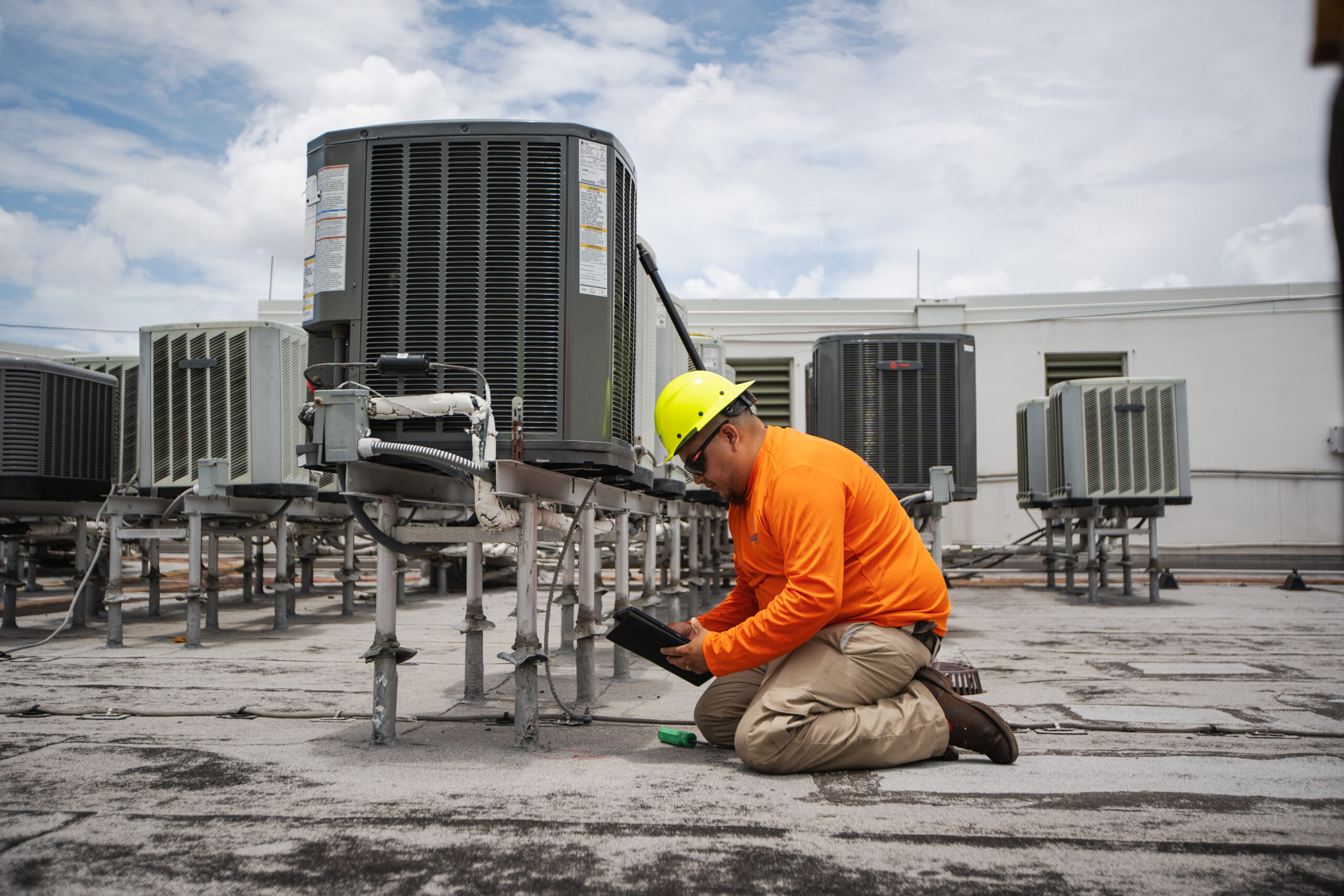
- Perform comprehensive roof inspections
- Identify the source and extent of water infiltration
- Use appropriate diagnostic testing when necessary
- Document roof conditions with detailed reports and photographs
- Perform targeted repairs and preventative maintenance
- Monitor previously repaired areas
- Develop a long-term maintenance plan
- Help prioritize repairs based on risk, urgency, and budget
- Provide clear recommendations for repair, restoration, or replacement
When Replacement Is Necessary
While no two roofs will require full replacement on exactly the same timeline, every roof eventually reaches the end of its service life. When that time comes, look for a contractor that provides end-to-end roof management—not simply roof replacement.
When evaluating replacement options, look beyond the length of the warranty. A lengthy warranty does not necessarily mean a roof will perform trouble-free for the duration of the warranty period. Make sure you understand the maintenance, inspection, and documentation requirements necessary to maintain warranty coverage.
Before moving forward, make sure the contractor you partner with can provide clear answers to the following questions:
- Why is replacement necessary?
- Can the roof be repaired or restored as a viable alternative?
- What is the condition of the existing roofing system?
- What testing and inspection findings support the recommendation?
- What roofing system is recommended, and why?
- What maintenance will be required after installation?
- What documentation and inspections are necessary to maintain warranty coverage?
- What is the expected service life for the replacement roof?
Choose Your Roofing Partner with Confidence
Before moving forward with a commercial roofing project, make sure you understand where the problem originates, how extensive the damage is, and what evidence supports the contractor’s recommendation. In many cases, a targeted repair combined with proactive inspection and maintenance can extend the useful life of an existing roof and defer costly replacement.
Partnering with the experts at the Valcourt Group can help you assess roof damage, identify the right solution to address the source of the issue, and develop an ongoing preventative strategy to prolong the life of your roofing assets.
Contact us today to learn more about our commercial roofing services and maintenance programs.