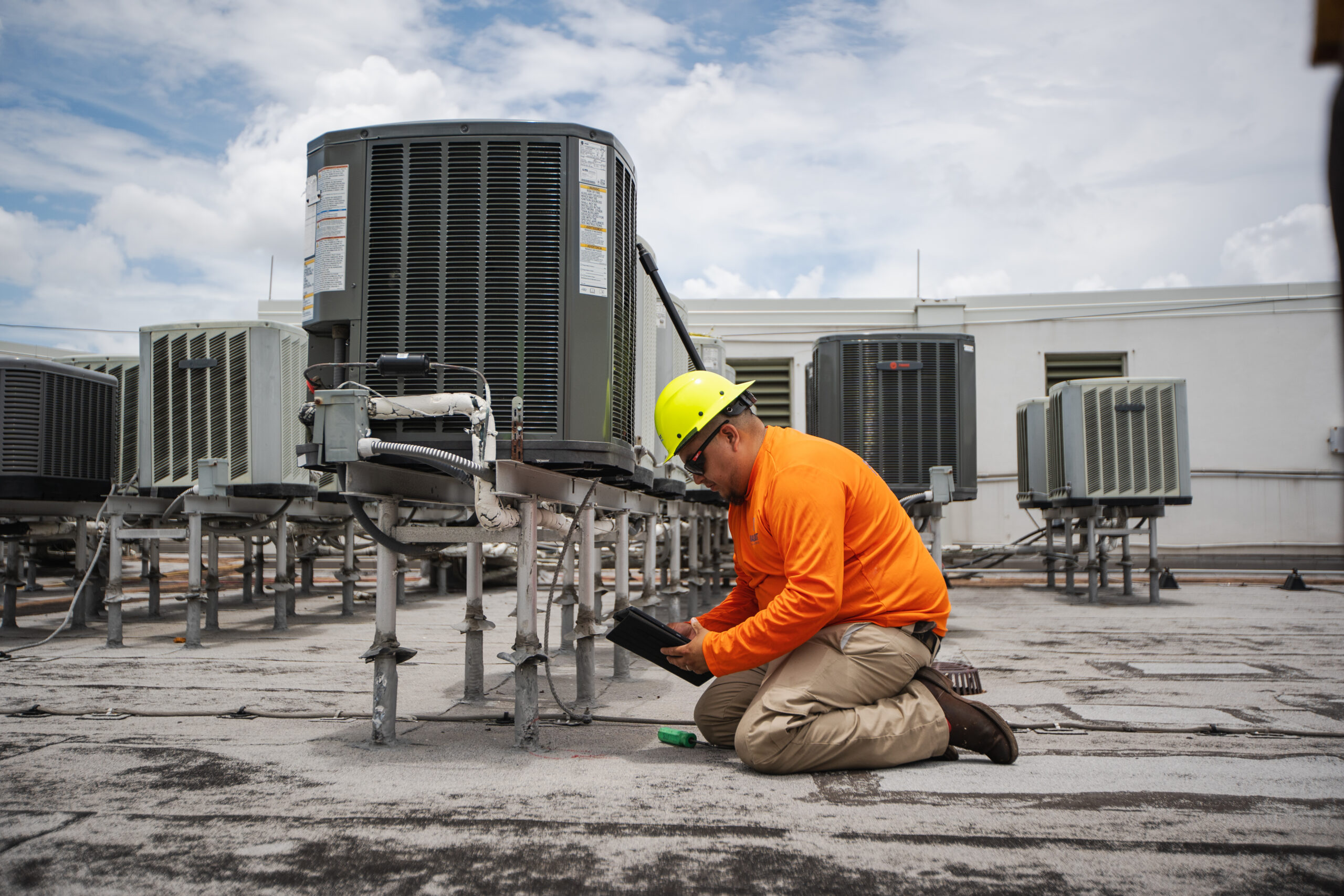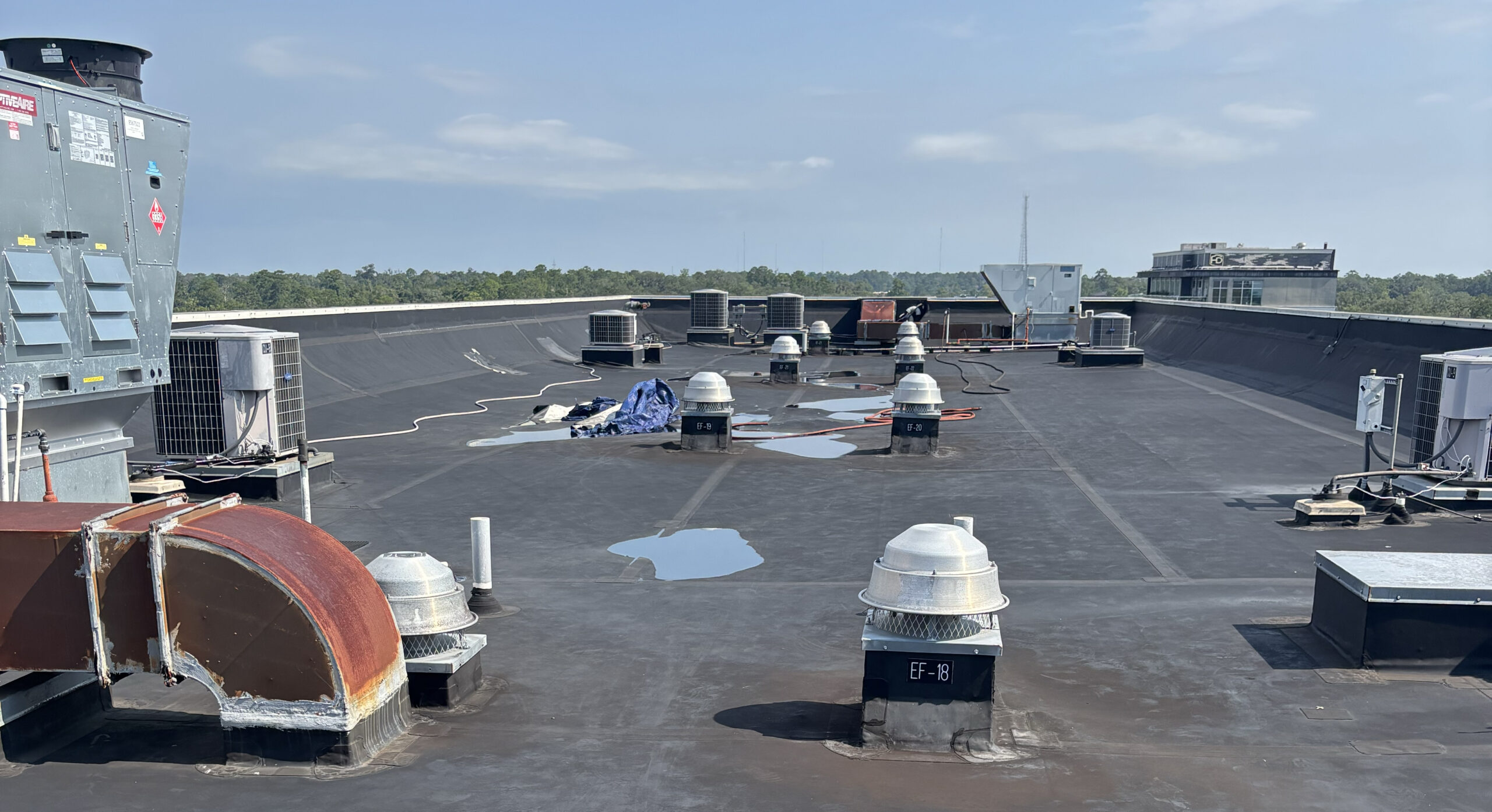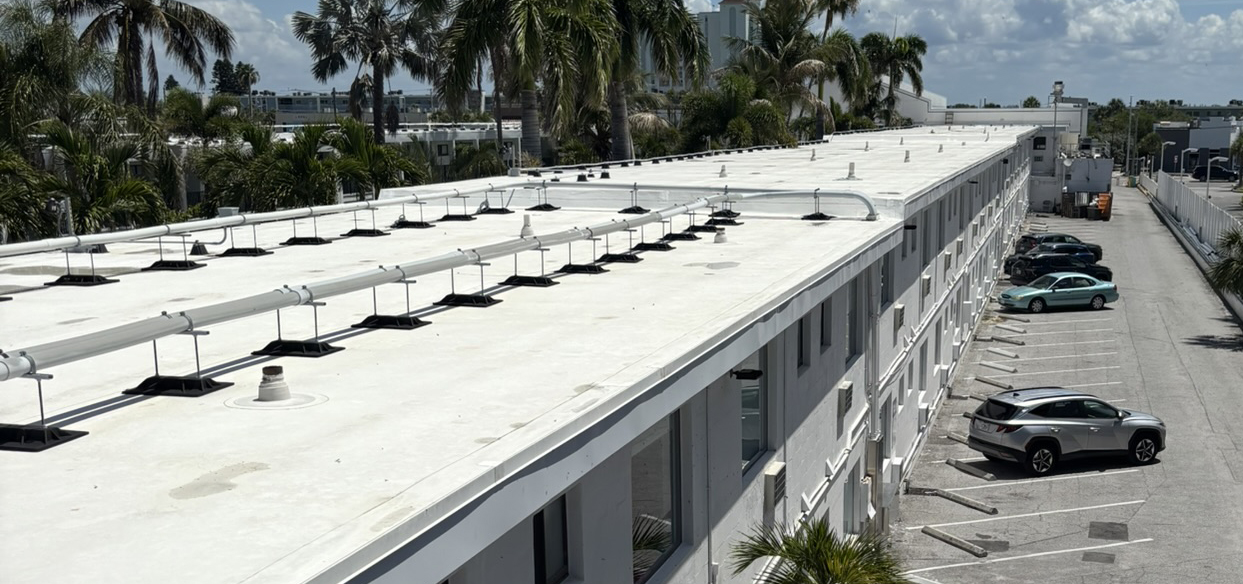
If you manage commercial properties, knowing the condition of your roof assets should be one of your first priorities after a severe weather event. An unchecked roof can allow water intrusion through leaks—or, in more serious cases, contribute to structural instability. In fact, roof damage was reported by 37% of commercial property stakeholders surveyed by Nationwide.
For property managers overseeing multiple sites, the key is to quickly prioritize properties for inspection, identify and document damage, and use those findings to guide repairs and future planning.
Prioritize Sites for Post-Storm Roof Inspections
You don’t necessarily need a full roof inspection at every property at once. Start by triaging your portfolio based on urgency. Properties with visible roof damage, interior leaks, standing water, significant debris, damaged rooftop equipment, or signs of structural damage should be inspected immediately.
Next, prioritize properties that experienced the strongest storm conditions, have older or previously compromised roofs, or house critical operations or valuable assets.
Properties with no visible exterior damage or signs of water intrusion and relatively newer, well-maintained roofs may be lower priority—but they shouldn’t be overlooked.
Identify Storm Damage on Commercial Roofs
After a storm, a commercial roof can look relatively intact when, in reality, wind, debris, displaced equipment, punctures, damaged flashing, failed seams, or membrane damage may have created pathways for water.
On-site contacts can assist with a ground-level visual inspection, but “I don’t see anything from the parking lot” isn’t the same as “the roof is undamaged.”
Once conditions are safe, have the roof assessed by a qualified roofing professional to determine the extent of any damage and whether temporary repairs or further action are needed.
A comprehensive post-storm roof inspection should assess:
- Roof membrane: Look for punctures, tears, cuts, lifted areas, loose sections, or other signs that the membrane has been compromised.
- Seams and flashing: Check seams, edge details, flashing, and transitions for separation, lifting, or other damage that could allow water to penetrate the system.
- Rooftop equipment and penetrations: HVAC units, vents, pipes, skylights, and other penetrations create vulnerable points in the roof system and should be closely evaluated after severe weather.
- Perimeters and edges: High winds can place significant stress on perimeter details, coping, edge metal, and other components along the roof’s boundaries.
- Drains and drainage paths: Make sure drains, scuppers, gutters, and other drainage components are clear of debris and functioning properly. Standing water after a storm can be a warning sign of drainage issues.
- Insulation and underlying areas: Damage may extend below the visible roof surface. Soft spots, moisture, or other abnormalities can indicate that water has penetrated the system.
- Interior conditions: Check ceilings, walls, mechanical spaces, and other areas below the roof for water stains, dampness, or other signs of water intrusion.
What Should a Post-Storm Roof Report Include?
A post-storm inspection should do more than identify damage. For property managers responsible for multiple sites, the report should help you determine what needs to happen next and how urgently.
At a minimum, documentation should include:
- Findings and photographs
- Immediate repairs required
- Temporary repairs or protective measures recommended
- Recommended next steps
- Routine maintenance recommendations
- Longer-term capital needs
Detailed reporting is especially valuable when you’re managing multiple buildings, insurance claims, and competing priorities. If your maintenance budget is limited, condition-based reporting allows you to prioritize work based on risk and urgency rather than treating every finding as an emergency.
Document Damage Before Making Repairs
If storm damage is identified, thorough documentation is important—particularly if an insurance claim may be involved.
When it is safe to do so, photograph the damage from multiple angles. Capture both the overall condition and close-up images of specific issues, including:
- Roof and exterior damage
- Interior water damage
- Damaged rooftop equipment
- Debris or displaced materials
- Damaged ceilings, walls, or other interior areas
Keep records of the inspection date, storm conditions, photographs, temporary measures taken, and other relevant information related to the damage.
If you believe the damage may be covered by insurance, contact your insurance carrier or broker promptly and follow their claim procedures. Before making permanent repairs, confirm what documentation or inspection requirements your carrier has. When necessary, take appropriate temporary measures to protect the building from additional damage while preserving evidence of the original condition.
Plan Ahead for the Next Storm
A storm inspection shouldn’t end with fixing the damage that was found. It should also raise a bigger question: What can be done now to make the roof more resilient before the next storm?
Severe weather can expose vulnerabilities that may have existed before the storm. Loose perimeter components, deteriorating flashing, aging sealants, drainage issues, or other deficiencies may not have caused an immediate failure—but they can become greater risks during the next weather event.
This is where a commercial roof maintenance program becomes particularly valuable. Routine inspections and ongoing preventative maintenance can help address vulnerable components and monitor areas with a history of problems.
Rather than waiting for the next storm—or the next leak—to reveal a problem, a proactive maintenance strategy helps you identify developing issues while they are still manageable.
Control the Outcome of Storm Damage and Protect Your Biggest Asset
A storm doesn’t have to cause a catastrophic roof failure to create a costly problem. Minor damage to roof components can become much bigger issues if they go unnoticed.
Post-storm roof inspections give property managers the information they need to identify problems early, prioritize repairs, document damage, and reduce the potential for additional damage to one of their largest building assets.
Partner with the Valcourt Group to assess your roof after severe weather and plan for what comes next. From post-storm inspections and repairs to tailored roof maintenance programs, we help you protect your roof assets and make informed decisions about ongoing maintenance and long-term capital needs.